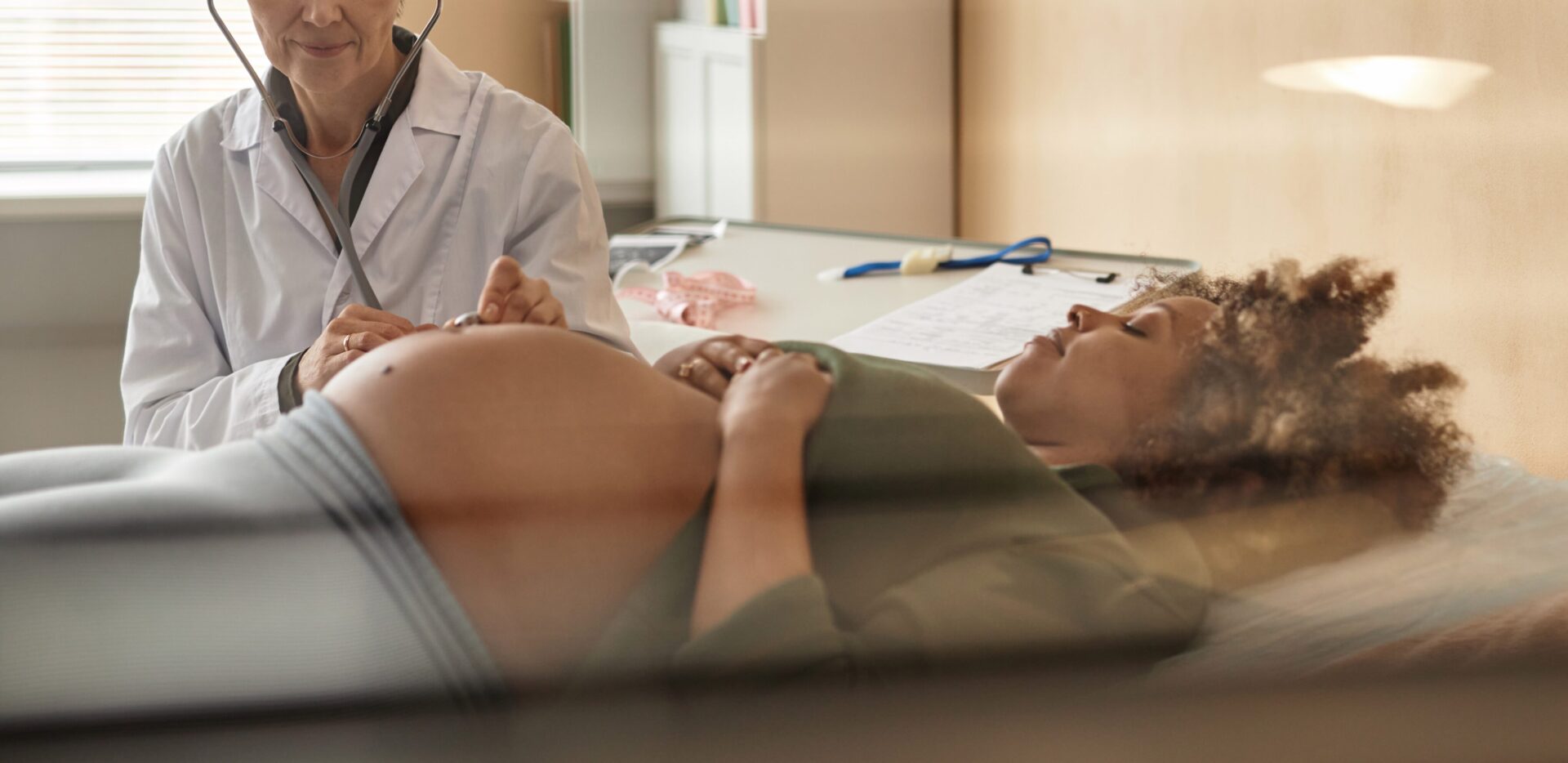
Dr. Oza practiced obstetrics and gynecology for over a decade. While locum tenens work wasn’t originally part of her long-term plan, locums became an important and meaningful part of her career—supporting her transition to opening her own practice, and giving her the opportunity to care for patients in a wide variety of communities.
In this Q&A, Dr. Oza shares how she found her way into locums, what surprised her most about practicing in different settings, and why the relationships she built—especially with nurses—stand out as one of the most meaningful parts of the experience. Her experience highlights the flexibility, perspective, and relationships that locums work can provide for OBGYNs considering a different way to practice medicine.
Did you always know you wanted to go into OBGYN?
I knew I wanted to be some kind of surgeon––I liked using my hands. My OBGYN rotation was my last rotation of third year, which is the year where you go through each surgery and medicine rotation to figure out the best fit. Once I rotated through OBGYN, I knew it was the right mix of skills for me. Women’s health part is also very mportant to me as a woman.
What led you to explore locum tenens work, and how does locums fit into your overall career plan?
I had been in private practice for about 10 years and was trying to open my own practice. I needed additional work during that transition period and I kept hearing about locums. I finally said, let’s try it!
I love some of the places I’ve been able to travel for locums, and I’m grateful for the people I’ve met through my assignments. My favorite assignment was in Montana—it was such a gift. It was beautiful, and I was able to go to Yellowstone, which was phenomenal.
I did finally open my own practice in January—so that’s been a journey. I am sad that I’ll probably have to cut back on locums at some point. I need to be available for my patients who need me to deliver in new Jersey—but the long-term option is definitely there.
What surprised you most about practicing locum tenens?
What surprised me most was how kind people are. People are very grateful and really appreciate the medical care you provide, especially in rural settings. That was a really nice surprise.
How has locums changed your perspective on medicine?
Medicine is really the same everywhere, and people are very similar even in different situations and cultures.People are just looking for good medical care, no matter where they are. You have to be able to relate to patients in different areas the same way that you would in your own practice—treating them as a whole individual and providing the best care that you can.
Locums gets you out of your little box. Every person is new, the people you work with are new, so you have to try to gauge how to best do your job. It’s a team effort, and it definitely keeps you more on your toes.
A lot of medical education takes place in urban settings, but working in rural America is different. When you come into private practice, you’re mostly seeing the same patients, and you don’t get as much of that variety in treatment. For the most part patients are healthy, and you don’t get to see somebody who hasn’t had prenatal care or someone who just comes in through the emergency room. Locums keeps the work interesting and diverse, and it builds confidence for sure.
How do you handle the logistics of locums work?
For me, it hasn’t been tough. I’m lucky I get to live in the Northeast with three different airports nearby, and between my consultant and the rest of the Hayes Locums team, I’m pretty blessed. They set everything up nicely, so I don’t really have to worry. It’s more of a mindset thing—knowing how many days you’re going for and what you need to bring.
Speaking of what to bring: what’s in your locums go-bag?
My scrubs, a bunch of workout clothes, my clogs for the hospital, and a pair of sneakers so I can run in my free time. I bring books—I always travel with at least three! Lastly, I bring a list of my passwords and usernames for whatever EMR system I’ll be working in. It’s always in my bag. And your phone, obviously, so the facility can reach you!
What advice would you give to other OBGYNs considering locums?
If you’re looking for a change in location or mindset, locums is a wonderful option to step away from your usual practice––even if you have a stable position.
Flexibility is important [when you’re on assignment]. You never know what’s going to come through the door, or what sort of emergencies will happen.You have to be aware that an emergency could arise at any time in an OB setting.
When you start a new assignment, it’s also important to be a team player and to listen more in the beginning. It’s helpful to see how things are done in that particular place, so you have to observe what’s happening around you and find out how people deal with things.
I ask a lot of questions. That’s why I value my relationship with the nurses. I will ask them anything – technical questions about the EMR, how I put in an order or what they usually do for medications.
What has been your favorite part of locum tenens work?
Probably the nurses. I love the people I’ve met and I’m going to miss them. I’m relational––I like interacting with the nurses on the floor, talking to them, and knowing what’s happening in their lives. I just messaged one of the nurses yesterday to see how she was doing. We have a good rapport, and they know I’m around and they can come to me with anything and vice versa.
My locums experience overall has been very positive. I’ve been doing locums for about two years and have been able to support myself and my home, and also build toward opening my own practice using that income. It’s been wonderful.